

Driving Climate Action Through Renewable Energy Finance: Insights from an Expert
Driving Climate Action Through Renewable Energy Finance: Insights from an Expert
Read the original archive edition (PDF)
The urgency of addressing climate change has never been more apparent. As global temperatures continue to rise and the impacts of extreme weather events become more severe, the need for sustainable solutions is critical.
Renewable energy finance is at the heart of these solutions, providing the necessary capital to transition from fossil fuels to clean energy sources. Here to walk you through the pivotal role of finance in advancing climate action and to share insights from my experience in the field.
The Role of Finance in Climate Action
Overview
Finance is the lifeblood of climate action. It enables the development and deployment of technologies and infrastructures necessary for a sustainable future. From solar farms to wind turbines, the capital required to bring these projects to fruition is substantial. However, with the right financial mechanisms and investments, we can accelerate the transition to a low-carbon economy.
Challenges and barriers
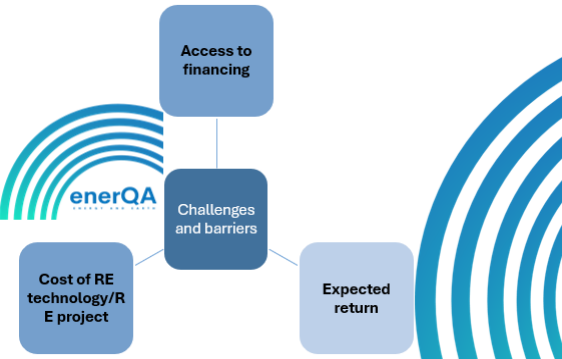
In renewable energy projects, several challenges and barriers arise. Key factors include access to financing, often hindered by perceived risks and high initial costs.
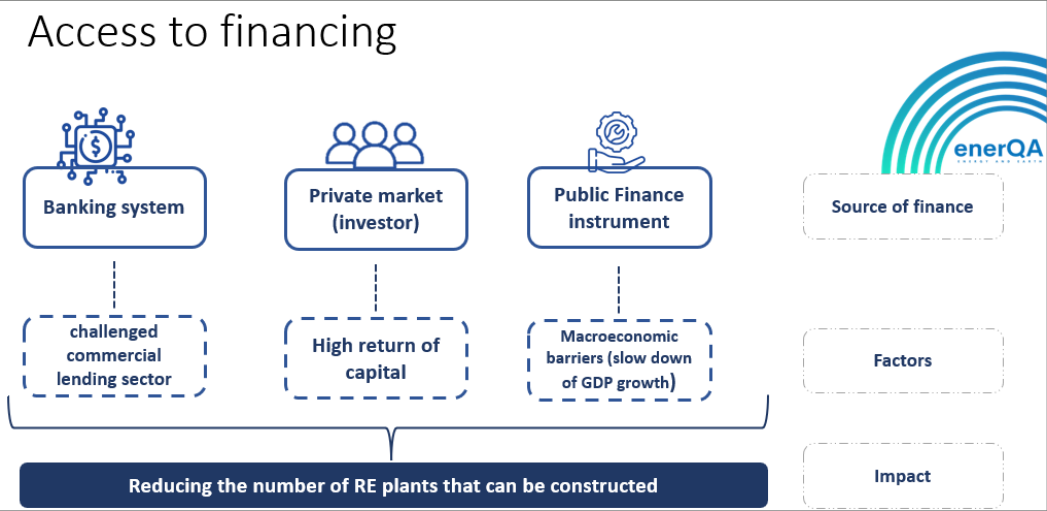
Expected returns are crucial for investors who require confidence in long-term profitability. Additionally, the costs associated with renewable energy technologies and projects can be significant, requiring substantial upfront capital. Addressing these challenges involves innovative financial mechanisms, effective risk assessments, and supportive policies. Overcoming these obstacles is essential for making renewable energy projects more appealing and feasible, ultimately promoting a transition to a sustainable and low-carbon economy. The challenges that project developers particularly in developing countries face in securing the necessary financing for their projects. There are three main sources of finance for renewable energy (RE) projects: banking systems, private investors, and public finance instruments. Each source faces obstacles, such as a challenged commercial lending sector, high capital requirements, and macroeconomic barriers. These limitations result in fewer RE plants being constructed, impacting the transition to renewable energy.
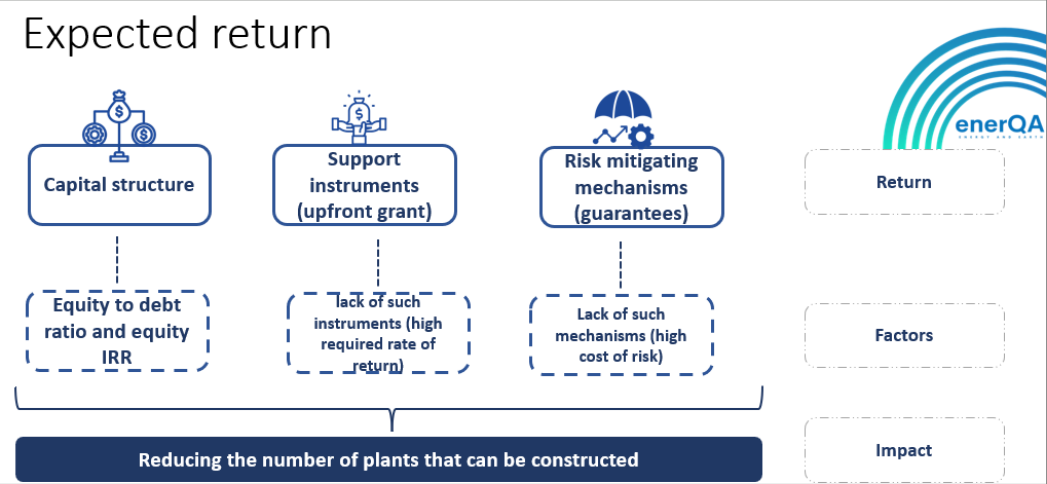
The lack of support instruments leads to higher project risks, deterring investors seeking stable returns. Developers must compensate for these risks by demanding higher expected returns, making projects less attractive to capital providers. This hurdle further limits the pool of potential investors and increases the difficulty of securing financing.
Furthermore, the absence of financial instruments like guarantees, which could significantly reduce the perceived risk of renewable energy projects. Without these risk mitigation mechanisms, investors face higher uncertainty, leading to higher required returns. This increased cost of risk further limits the pool of potential investors and reduces the number of plants that can be constructed.
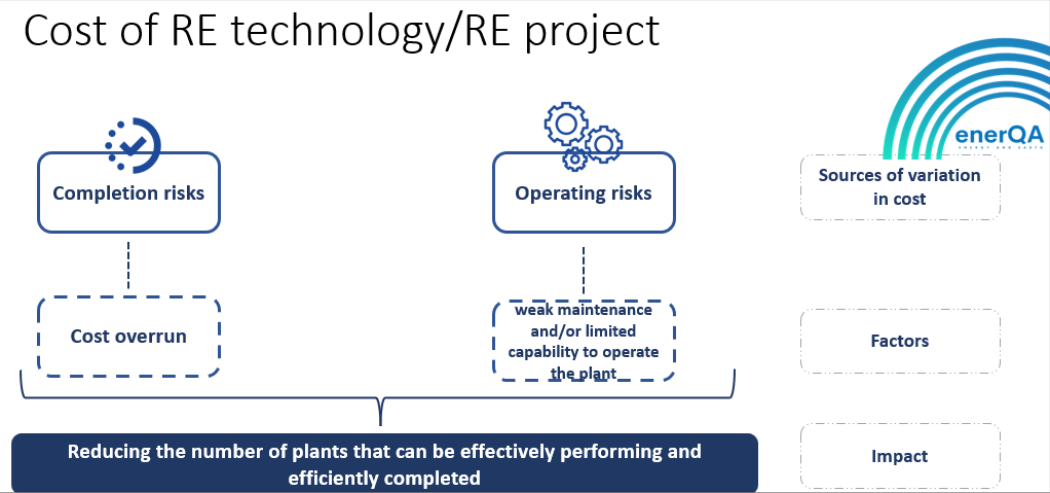
The third barrier refers to the substantial upfront capital investment required for renewable energy projects, particularly pronounced in developing countries. Coupled with often limited access to affordable financing, developing countries face significant challenges in bridging the financial gap for renewable energy projects. Additionally, the complexities of project development, including securing land rights, permits, and grid connections, can further escalate costs. These factors, combined with the potential for cost overruns and higher operational expenses due to limited technical expertise.
Renewable Energy Finance: Key Considerations

Investment Trends
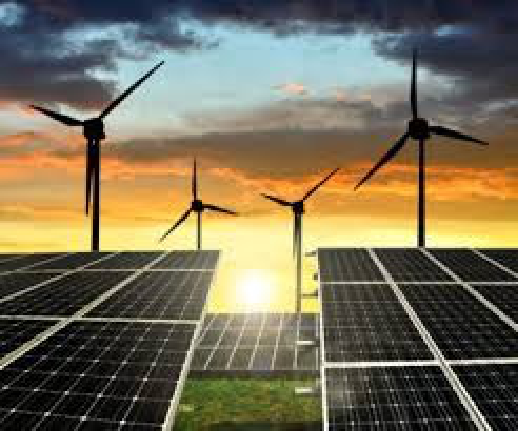
In recent years, there has been a notable shift in investment trends towards renewable energy. Solar and wind projects have seen substantial growth, driven by technological advancements and favourable policies.
Energy storage is another area gaining traction, as it addresses the intermittency issues associated with renewables. These trends indicate a broader movement towards sustainable investments, reflecting the increasing importance of Environmental, Social, and Governance (ESG) criteria in decision-making.
Risk Assessment
While the renewable energy sector offers promising returns, it is not without risks. Investors must carefully assess factors such as regulatory changes, technological risks, and market dynamics. Due diligence is crucial, as it helps identify potential pitfalls and mitigate risks. Structured finance solutions, such as green bonds and public-private partnerships, can also play a significant role in de-risking projects and attracting capital.
Future Outlook and Recommendations
Looking ahead, we expect continued growth in the renewable energy sector. Technological innovations, such as advanced energy storage and smart grid technologies, will further enhance the viability of renewables. Additionally, increasing pressure from regulators and consumers for sustainable practices will drive more businesses to adopt green energy solutions.
Recommendations
For investors, the key to success in this sector lies in understanding the unique dynamics of renewable energy finance. It is essential to stay informed about policy developments, technological advancements, and market trends. Collaboration between public and private sectors is also critical, as it can unlock new financing mechanisms and expand access to capital. Finally, transparency and accountability are vital in building trust with stakeholders and ensuring the long-term success of renewable energy projects.
Way Forward
As we move towards a sustainable future, the role of finance in supporting renewable energy cannot be overstated. By investing in clean energy projects, we are not only addressing climate change but also fostering economic growth and social well-being. I invite you to join me and enerQA in exploring the vast opportunities in this field. Together, we can drive meaningful change and create a more sustainable world.
References
- International Renewable Energy Agency (IRENA), 2022. Renewable Energy Finance: Scaling Up Investment in Emerging Markets. Available at: https://www.irena.org/publications [Accessed 28 November 2024].
- United Nations Framework Convention on Climate Change (UNFCCC), 2021. Financial Mechanisms and Climate Action: The Role of Innovative Finance. Available at: https://unfccc.int/topics/climate-finance/the-big-picture [Accessed 28 November 2024].
- BloombergNEF, 2023. Clean Energy Investment Trends 2023. Available at: https://about.bnef.com/clean-energy-investment/ [Accessed 28 November 2024].
- International Energy Agency (IEA), 2022. World Energy Investment 2022. Available at: https://www.iea.org/reports/world-energy-investment-2022 [Accessed 28 November 2024].
- World Bank, 2021. Scaling Up Renewable Energy in Developing Countries: Overcoming Financial Barriers. Available at: https://www.worldbank.org/en/topic/energy/publication [Accessed 28 November 2024].
- OECD, 2022. Aligning Private Investment with Climate Goals: Policy Guidance and Best Practices. Available at: https://www.oecd.org/climate-action/ [Accessed 28 November 2024].
- REN21, 2023. Global Status Report: Renewable Energy Finance and Policy. Available at: https://www.ren21.net/reports/global-status-report/ [Accessed 28 November 2024].
- Gatzert, N. and Kosub, T., 2021. Risks and Risk Management of Renewable Energy Projects: The Role of Financial Instruments for De-risking. Renewable Energy, 153, pp. 1306-1316. Available at: https://doi.org/10.1016/j.renene.2020.12.038 [Accessed 28 November 2024].
- Global Infrastructure Facility (GIF), 2021. Public-Private Partnerships in Renewable Energy: Enhancing Bankability and Attracting Investment. Available at: https://www.globalinfrafacility.org/ [Accessed 28 November 2024].
- Lazard, 2022. Levelized Cost of Energy Analysis 2022. Available at: https://www.lazard.com/perspective/levelized-cost-of-energy-and-storage-2022/ [Accessed 28 November 2024].
Related Content
Sudan's Energy Balance 2020
Sudan’s energy balance for the year 2020 had shown lower figures from previous years trends, while maintaining largely the same proportions of energy supply resources,
Read Article →Scope 4 Emissions: The Concept of Avoided Emissions
In the global effort to combat climate change, the focus has traditionally been on reducing greenhouse gas (GHG) emissions from corporate operations and value chains.
Read Article →The Imperative for ESG Readiness Tools: Unlocking Benefits for Companies, Institutions, and Society
Environmental, Social, and Governance (ESG) considerations have evolved from being a corporate trend to becoming essential criteria for sustainable and ethical growth.
Read Article →