

Empowering Communities Through Social Sustainability: A Call to Action
Empowering Communities Through Social Sustainability: A Call to Action
Read the original archive edition (PDF)
Are you ready to create a world where everyone thrives? where communities are inclusive and supportive, and where future generations inherit a healthy planet. This vision of a sustainable future is achievable through social sustainability.
Social sustainability is more than just a buzzword; it is a fundamental principle that guides our efforts to create a just, fair, and resilient society. It encompasses everything from ensuring access to basic needs like food and shelter to promoting social justice and equality.
In this article, we will explore the key dimensions of social sustainability, examine its importance in building thriving communities, and discuss practical steps you can take to contribute to a more sustainable world.
"We need to change the way we think about the Earth. It's not just a resource; it's our home." - David Attenborough
Understanding Social Sustainability
Imagine a world where everyone has access to food, shelter, and a good education. A world where everyone is treated fairly, regardless of their background. This is the idea behind social sustainability. It is about creating a society where everyone can thrive and live a happy, fulfilling life.
Social sustainability refers to the ability of a society to function in a way that promotes well-being, equality, and justice for all individuals over the long term. It involves creating systems, policies, and institutions that support the needs of current and future generations, while fostering inclusion, fairness, and cohesion within communities.
Caring about social sustainability in a country with a diverse range of cultures and ethnicities is vital because it ensures that all groups have equitable access to opportunities, resources, and a high quality of life, fostering a more inclusive and resilient society.
"The future belongs to those who believe in the beauty of their dreams." - Eleanor Roosevelt
The Role of the Sustainable Development Goals (SDGs)
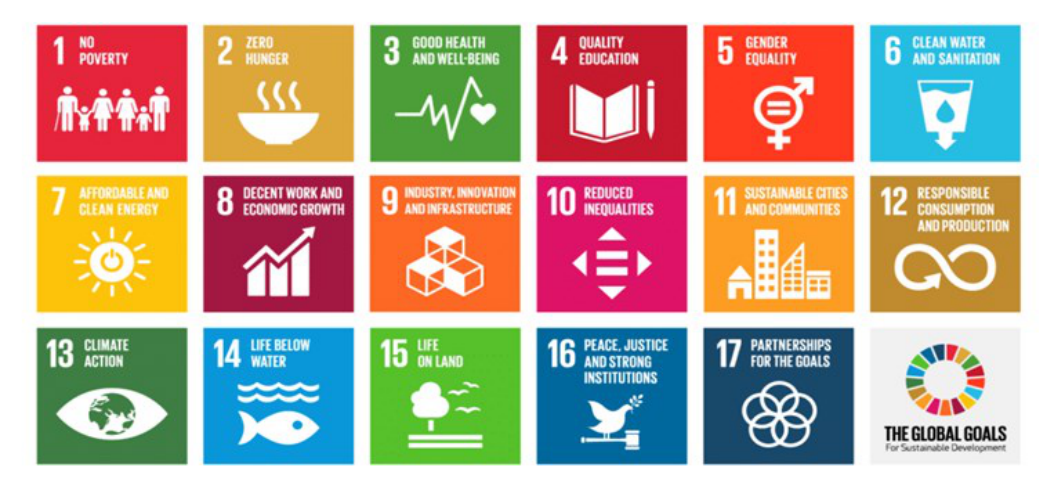
The United Nations has set out 17 goals for a sustainable future. These goals, called Sustainable Development Goals (SDGs), cover everything from ending poverty to protecting our planet. Many of these goals are about social sustainability.
- SDG 1 Ending Poverty: No one should go to bed hungry or live without a roof over their head. We need to work together to create a world where everyone has the necessities of life.
- SDG 3 Good Health and Well-being: Everyone deserves to be healthy and happy. This means having access to quality healthcare and a clean environment.
- SDG 4 Quality Education: Education is the key to unlocking your potential. Everyone should have the chance to learn and grow.
- SDG 5 Gender Equality: Boys and girls should have the same opportunities. We need to end discrimination and violence against women and girls.
- SDG 8 Decent Work and Economic Growth: Everyone deserves a fair job that pays a living wage. We need to create a strong economy that benefits everyone.
- SDG 10 Reduced Inequalities: No one should be left behind. We need to work to reduce the gap between the rich and the poor.
- SDG 11 Sustainable Cities and Communities: Our cities should be safe, clean, and affordable places to live. We need to build communities that are sustainable for future generations.
- SDG 16 Peace, Justice, and Strong Institutions: A peaceful and just society is essential for social sustainability. We need to work to prevent conflict and ensure that everyone has access to justice.
Knowing about the SDGs fosters global awareness and understanding of the interconnected challenges facing our planet. It encourages individuals to recognize their role in addressing these challenges and contributing to a more sustainable future.
Awareness of the SDGs can inspire individuals to advocate for sustainable solutions and take action in their communities. It facilitates collaboration and partnerships between governments, businesses, and civil society organizations to achieve common goals
Cultural Diversity & Migration
Migration is a complex and multifaceted phenomenon driven by a variety of reasons, both push and pull factors. Push factors are those that compel people to leave their home countries, such as economic hardship, political instability, conflict, natural disasters, or lack of opportunities. Pull factors, on the other hand, are those that attract people to a new country, such as better economic prospects, better quality of life, educational opportunities, or family reunification.
The decision to migrate is often a difficult one, filled with both hope and uncertainty. People who migrate may experience a range of emotions, including excitement, fear, anxiety, and homesickness. They may also feel a sense of loss and detachment from their home culture.
Despite the challenges, migration can also be a source of significant opportunity and personal growth. Migrants often bring new skills, perspectives, and cultural richness to their new homes. They can contribute to economic development, cultural diversity, and social innovation.
A Path to Social Sustainability
Social sustainability is essential in countries with diverse populations. It ensures that all individuals, regardless of their background, have equal access to opportunities, resources, and a high quality of life. This fosters social inclusion, promotes cultural understanding, and reduces inequality.
Locals have a responsibility to their country to create a welcoming and inclusive environment for newcomers. They can share their culture with migrants while also learning about and respecting their cultures. This exchange of cultures can enrich the lives of both locals and migrants and create a more vibrant and dynamic society.
As more people move to countries they have never lived in before, it's important to preserve and carry forward their own cultural identity. However, it's equally essential to learn about and respect the culture of the host country. Our values are what allow us to connect with others, share experiences, and embrace dissimilar cultures, ultimately enriching our quality of life.
By fostering social sustainability and promoting cultural exchange, we can create a more just, fair, and harmonious world for all.
Why Social Sustainability Matters
A More Just and Equitable World. Social sustainability is about creating a world where everyone has the same opportunities. It means ending discrimination and ensuring that everyone is treated with respect.
A Stronger Community. When everyone feels like they belong, our communities become stronger. Social sustainability helps to build a sense of belonging and community.
A Better Future. By working together to achieve social sustainability, we can create a better future for ourselves and for generations to come.
Pioneer in Social Sustainability
A remarkable example of social sustainability in action can be found in the work of Reena Naser, an entrepreneur in Qatar passionate about building inclusive and vibrant communities. Through her innovative startup, Language Agora, she has created a platform that fosters community engagement and introduces newcomers to the diverse cultural tapestry of Qatar.
Reena organises events that showcase the unique cultures of different countries, providing a space for people to connect, share their traditions, and learn from one another. These gatherings not only offer a chance for individuals from the same cultural backgrounds to meet and socialise but also create opportunities for cross-cultural exchange and understanding.
Recognizing the importance of communication in building bridges between communities, Reena emphasizes the sharing of languages. By encouraging participants to speak in their native tongues, she facilitates meaningful interactions and fosters a sense of belonging for all.
Through her efforts, Reena is not only contributing to the social fabric of Qatar but also inspiring others to embrace diversity and work towards a more sustainable and fair future.
Taking Action for a Sustainable Future
Get Involved. There are many ways to get involved in social sustainability. You can volunteer with local organisations, support sustainable businesses, or advocate for policies that promote social justice.
Educate Yourself. Learn more about social sustainability and the issues that affect your community. The more you know, the more you can do.
Inspire Others. Share your knowledge and passion with others. Together, we can create a more sustainable and equitable world.
Remember. Social sustainability is about creating a world where everyone can thrive. It is a challenge, but it is a challenge worth fighting for.
Conclusion Building a Sustainable Future Together
Social sustainability is the cornerstone of a thriving and equitable society. By fostering inclusivity, promoting cultural exchange, and addressing social challenges, we can create a world where everyone has the opportunity to flourish. By embracing diversity, supporting sustainable initiatives, and advocating for social justice, we can collectively build a better future for ourselves and generations to come.
Let us commit to working together towards a more sustainable and fairer world. Together, we can create a legacy of hope, compassion, and resilience for all.
References
- United Nations. (2020, September 25). The Sustainable Development Goals. https://sdgs.un.org/goals
- European Commission. (n.d.). The EU and the United Nations Sustainable Development Goals. https://international-partnerships.ec.europa.eu/policies/sustainable-development-goals_en
- Clean the World. (n.d.). What is Sustainability? https://cleantheworld.org/about-us/about-us-overview/
- Agyeman, B. N. A., & Turnock, D. (2018). Sustainable development goals: Their interactions with governance, institutions, and social cohesion. Sustainability (Switzerland), 10(7), 3839. https://www.researchgate.net/publication/337760181_Governance_for_achieving_the_Sustainable_Development_Goals_How_important_are_participation_policy_coherence_reflexivity_adaptation_and_democratic_institutions
- Organisation for Security and Co-operation in Europe. (2021). Local Authorities’ Migrant Integration Guide: Fostering Social Cohesion and Inclusive Communities. https://www.osce.org/migration
- International Organization for Migration. (2018). Integration and Social Cohesion: A Thematic Paper. https://www.iom.int/sites/default/files/our_work/ODG/GCM/IOM-Thematic-Paper-Integration-and-Social-Cohesion.pdf
Related Content
Sudan's Energy Balance 2020
Sudan’s energy balance for the year 2020 had shown lower figures from previous years trends, while maintaining largely the same proportions of energy supply resources,
Read Article →Scope 4 Emissions: The Concept of Avoided Emissions
In the global effort to combat climate change, the focus has traditionally been on reducing greenhouse gas (GHG) emissions from corporate operations and value chains.
Read Article →The Imperative for ESG Readiness Tools: Unlocking Benefits for Companies, Institutions, and Society
Environmental, Social, and Governance (ESG) considerations have evolved from being a corporate trend to becoming essential criteria for sustainable and ethical growth.
Read Article →