

Greenhouse Gases and Climate Change: An Overview
Greenhouse Gases and Climate Change: An Overview
Read the original archive edition (PDF)
Introduction
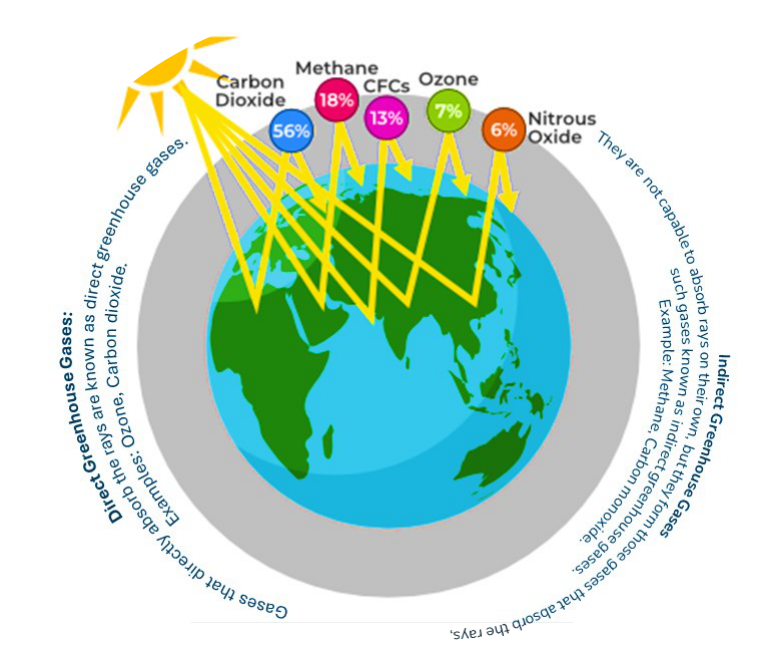
Greenhouse gases (GHGs) are atmospheric constituents that absorb and emit infrared radiation, contributing to the greenhouse effect and global warming. The most significant GHGs include carbon dioxide (CO2), methane (CH4), and nitrous oxide (N2O). Human activities such as the burning of fossil fuels, industrial processes, and deforestation have dramatically increased the concentration of these gases, leading to a rise in global average temperatures[1][2].
Scientific Consensus on Climate Change
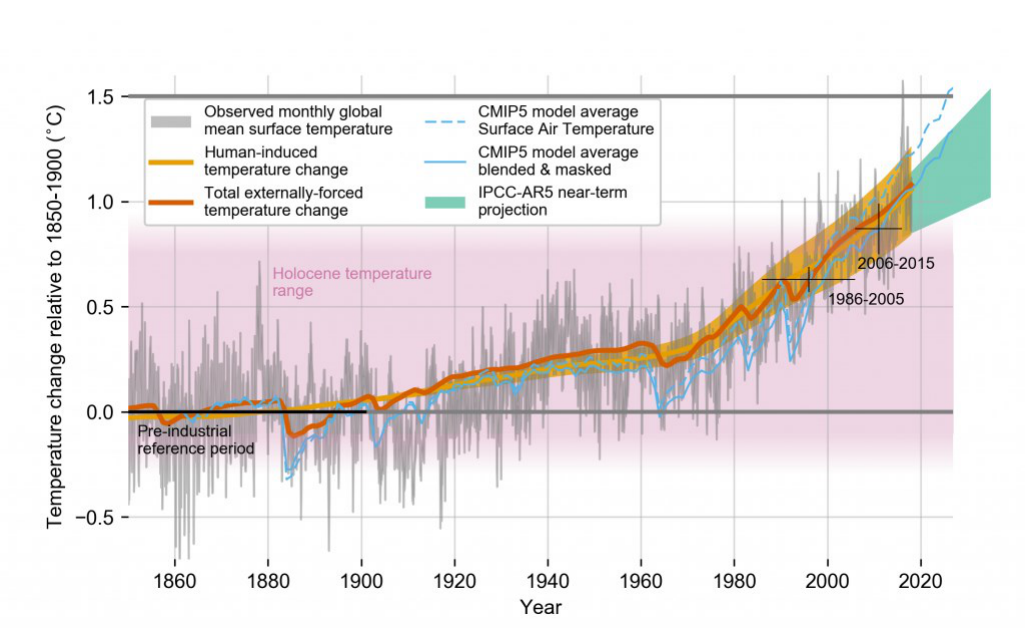
The Intergovernmental Panel on Climate Change (IPCC), the leading international authority on climate science, has consistently emphasized the overwhelming evidence linking human activities to climate change. In its Fifth Assessment Report (AR5), the IPCC concluded that it is "extremely likely" that human influence has been the dominant cause of observed warming since the mid-20th century[3][4]. This conclusion reflects the consensus of thousands of scientists worldwide and underscores the urgency of mitigating anthropogenic emissions.

Impacts of Climate Change
The consequences of climate change are already evident and are expected to intensify in the coming decades. These include:
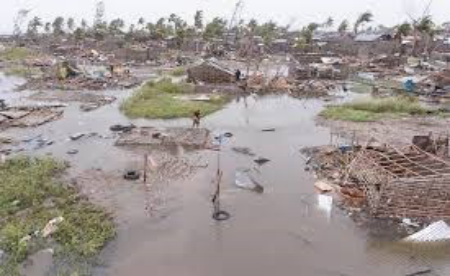
- Rising Sea Levels: Coastal communities and ecosystems face significant threats from inundation and erosion due to melting icecaps and thermal expansion of seawater[5][6].
- Extreme Weather Events: Increased frequency and intensity of heatwaves, droughts, floods, and wildfires are disrupting lives and livelihoods[7][8].
- Changes in Precipitation Patterns: While some regions face water scarcity, others are experiencing heightened risks of flooding[9].
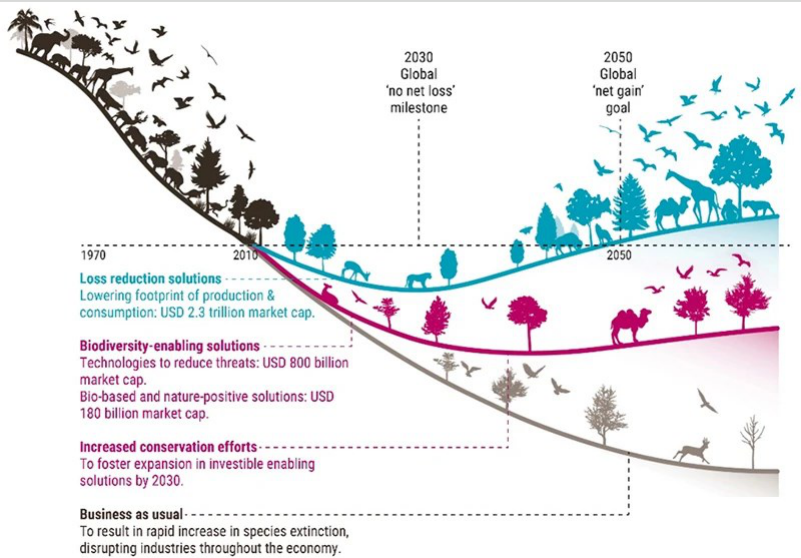
- Biodiversity Loss: Climate change is leading to habitat destruction and ecosystem disruptions, resulting in the loss of species[10][11].
The solution lies in ‘bending the curve’ – halting and reversing the five drivers of biodiversity loss by scaling back the footprint of human production and consumption. The Kunming-Montreal Global Biodiversity Framework signed in 2022 by 188 countries agreed that bending the curve before 2030 was essential.
(Source: Robeco, Bloomberg)
The Paris Agreement
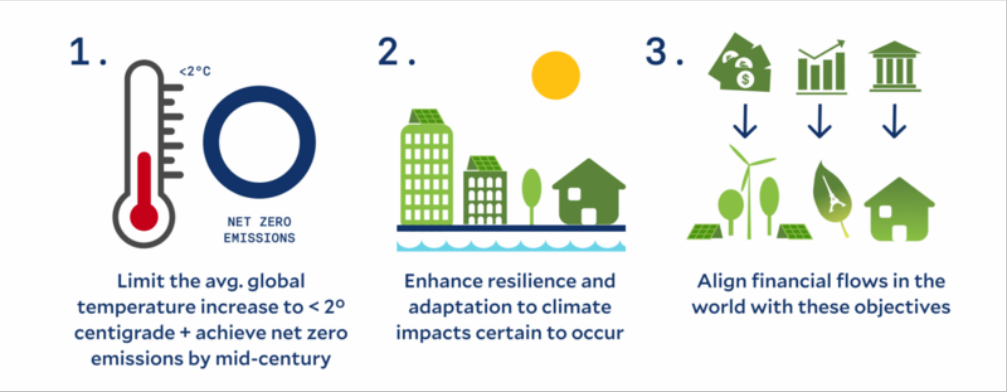
In response to the global climate crisis, the Paris Agreement was adopted in 2015 by 195 Parties at the 21st Conference of the Parties (COP21) under the United Nations Framework Convention on Climate Change (UNFCCC). Its primary goal is to limit global warming to well below 2°C, preferably to 1.5°C, above pre-industrial levels[12].
Key Provisions of the Paris Agreement
The Paris Agreement sets forth several critical measures to address climate change:
- Nationally Determined Contributions (NDCs): Countries must outline and update their plans to reduce GHG emissions every five years, aiming for the highest possible ambition[13].
- Long-Term Goal: Achieving global net-zero GHG emissions by 2050 is a central target[14].
- Financial Support: Developed nations pledged to provide $100 billion annually to help developing countries implement their climate strategies[12][15].
- Transparency Framework: Parties are required to report their progress and undergo international review to ensure accountability[13].
Implications of the Paris Agreement
The Paris Agreement represents a historic milestone in global climate governance. By establishing a framework for collective action, it has spurred countries to adopt ambitious national climate plans. However, the current trajectory of global emissions highlights the gap between commitments and actions. According to the UNFCCC, the latest NDCs are projected to result in global GHG emissions of 52.4 Gt CO2 eq by 2030, a reduction of only 2.6% compared to current levels[16][17].
This sobering statistic underscores the need for more ambitious targets and accelerated action. Transforming global energy systems, enhancing financial support, and adopting innovative technologies are critical to bridging this gap and achieving the goals of the Paris Agreement[18][19].
References
- NASA, 2023. What are Greenhouse Gases?. Available at: https://climate.nasa.gov.
- United Nations, 2021. Climate Action: Greenhouse Gases. Available at: https://www.un.org/en/climatechange.
- Intergovernmental Panel on Climate Change (IPCC), 2014. Fifth Assessment Report (AR5): Synthesis Report. Available at: https://www.ipcc.ch/report/ar5/syr/.
- Cook, J. et al., 2016. Consensus on Consensus: A Synthesis of Consensus Estimates on Human-Caused Global Warming. Environmental Research Letters, 11(4), p.048002.
- World Meteorological Organization (WMO), 2023. Sea Level Rise and its Implications. Available at: https://public.wmo.int.
- IPCC, 2021. Sixth Assessment Report (AR6): Impacts, Adaptation, and Vulnerability. Available at: https://www.ipcc.ch/report/ar6/wg2/.
- Emanuel, K., 2020. Tropical Cyclones and Climate Change. Annual Review of Earth and Planetary Sciences, 48, pp. 355-389.
- Diffenbaugh, N. S., & Burke, M., 2019. Global Warming has Increased Global Economic Inequality. Proceedings of the National Academy of Sciences, 116(20), pp. 9808-9813.
- UN Water, 2022. Climate Change and Water. Available at: https://www.unwater.org.
- Thomas, C. D. et al., 2004. Extinction Risk from Climate Change. Nature, 427(6970), pp. 145-148.
- WWF, 2022. Living Planet Report 2022. Available at: https://www.worldwildlife.org/reports.
- UNFCCC, 2015. Paris Agreement. Available at: https://unfccc.int/process-and-meetings/the-paris-agreement.
- UNEP, 2022. Emissions Gap Report 2022. Available at: https://www.unep.org.
- Rogelj, J. et al., 2015. Paris Agreement Climate Proposals Need a Boost to Keep Warming Well Below 2°C. Nature, 534, pp. 631-639.
- OECD, 2023. Climate Finance Provided and Mobilised by Developed Countries in 2020. Available at: https://www.oecd.org.
- UNFCCC, 2023. Synthesis Report on the Aggregate Effect of NDCs. Available at: https://unfccc.int.
- Climate Action Tracker, 2023. Paris Agreement Compatible Pathways. Available at: https://climateactiontracker.org.
- International Energy Agency (IEA), 2022. Net Zero by 2050: A Roadmap for the Global Energy Sector. Available at: https://www.iea.org/reports/net-zero-by-2050.
- World Bank, 2023. Scaling Climate Finance for Low-Carbon Development. Available at: https://www.worldbank.org.
Related Content
Sudan's Energy Balance 2020
Sudan’s energy balance for the year 2020 had shown lower figures from previous years trends, while maintaining largely the same proportions of energy supply resources,
Read Article →Scope 4 Emissions: The Concept of Avoided Emissions
In the global effort to combat climate change, the focus has traditionally been on reducing greenhouse gas (GHG) emissions from corporate operations and value chains.
Read Article →The Imperative for ESG Readiness Tools: Unlocking Benefits for Companies, Institutions, and Society
Environmental, Social, and Governance (ESG) considerations have evolved from being a corporate trend to becoming essential criteria for sustainable and ethical growth.
Read Article →