

Practical Tips for Reducing Food Waste at Home: A Step Towards Sustainability
Practical Tips for Reducing Food Waste at Home: A Step Towards Sustainability
Read the original archive edition (PDF)
Reducing domestic food waste is not just a trend— it's a necessity. Every year, humanity generates between 2.1 billion and 2.3 billion tonnes of municipal solid waste, a significant portion of which is food waste. Alarmingly, some 2.7 billion people lack access to waste collection, with 2 billion of them living in rural areas. Waste pollution is a growing threat to human well-being, economic prosperity, and the environment, contributing to the triple planetary crisis of climate change, nature and biodiversity loss, and pollution. Without urgent action, annual municipal solid waste generation is projected to reach 3.8 billion tones by 2050 (source: United Nations Environment Programme, International Day of Zero Waste 2024).
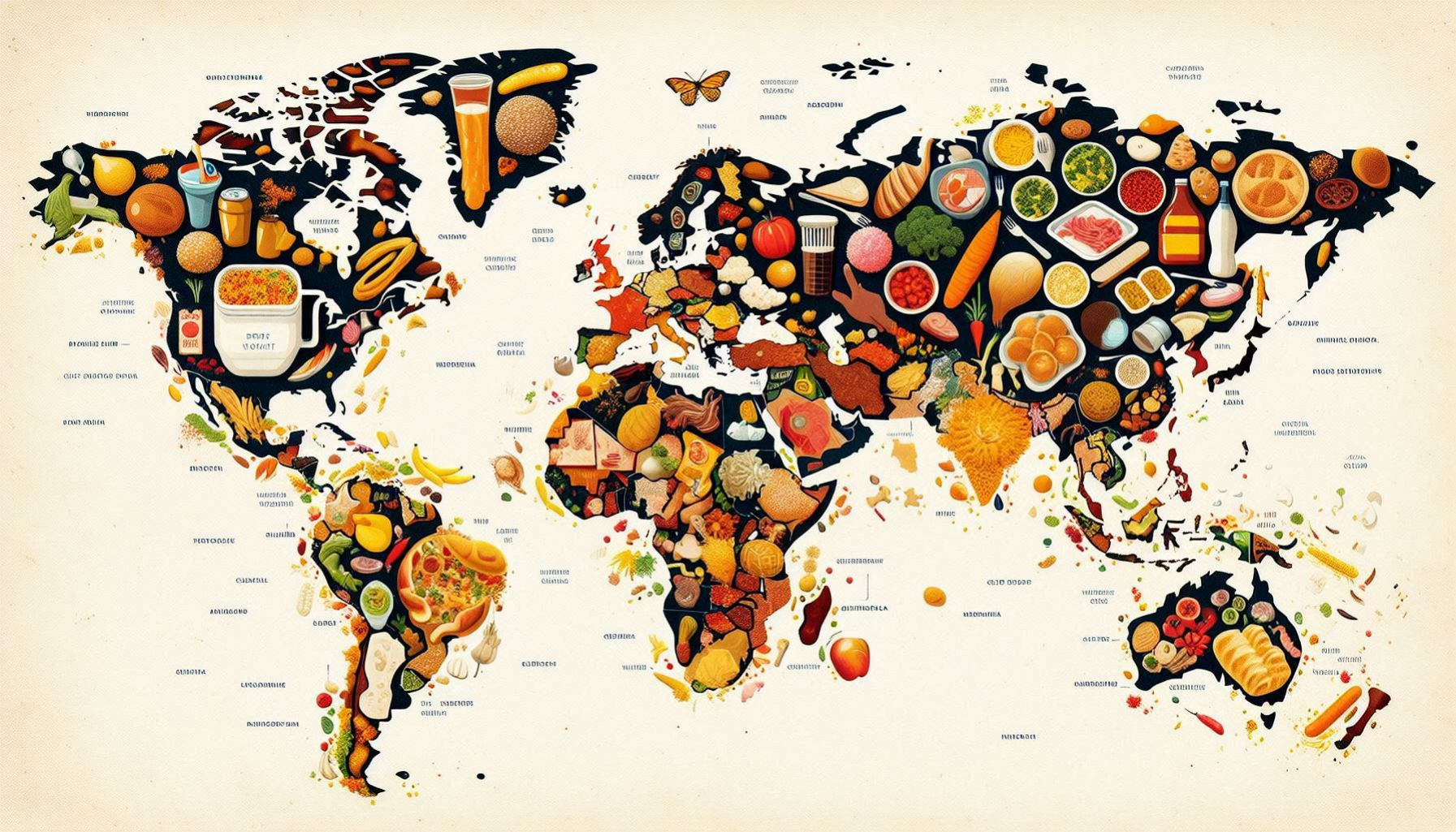
Food waste is a critical global issue, with approximately one-third of all food produced — 1.3 billion tonnes— wasted annually. The drivers of food waste vary significantly between high-and low-income countries. In wealthier nations, food waste occurs predominantly at the consumer and retail levels due to over-purchasing, aesthetic standards, and poor understanding of food labeling. Conversely, in lower-income countries, inadequate infrastructure, storage facilities, and market access lead to substantial post-harvest losses. Social behaviors, such as cultural attitudes and consumer habits, also play a key role in influencing waste patterns.
Reducing food waste is essential for mitigating its environmental, social, and economic impacts. Food waste contributes significantly to climate change, with decaying waste in landfills releasing potent greenhouse gases like methane. It also accelerates biodiversity loss and pollution, as resources like land and water used to produce wasted food often result in habitat destruction and contamination. Alarmingly, food waste is a major component of the 2.1 – 2.3 billion tonnes of municipal solid waste generated annually, and this figure is projected to reach 3.8 billion tonnes by 2050 if urgent action is not taken.
Addressing food waste requires a combination of behavioral changes, policy interventions, and technological advancements. Individuals can reduce waste through better meal planning, understanding food labeling, and proper storage. Governments play a critical role in implementing food redistribution policies, enforcing sustainable packaging laws, and investing in infrastructure to minimize losses in supply chains. Additionally, waste-to-energy technologies and improved storage facilities can help repurpose unavoidable waste and reduce post-harvest losses in low-income regions.
The global response to food waste must be unified and proactive, leveraging platforms like the International Day of Zero Waste to promote awareness and collaboration. Reducing food waste is not just a matter of resource efficiency but also a crucial step toward addressing the triple planetary crisis of climate change, biodiversity loss, and pollution. Through combined efforts, food waste reduction can support sustainable development goals, improve food security, and mitigate its harmful environmental consequences.
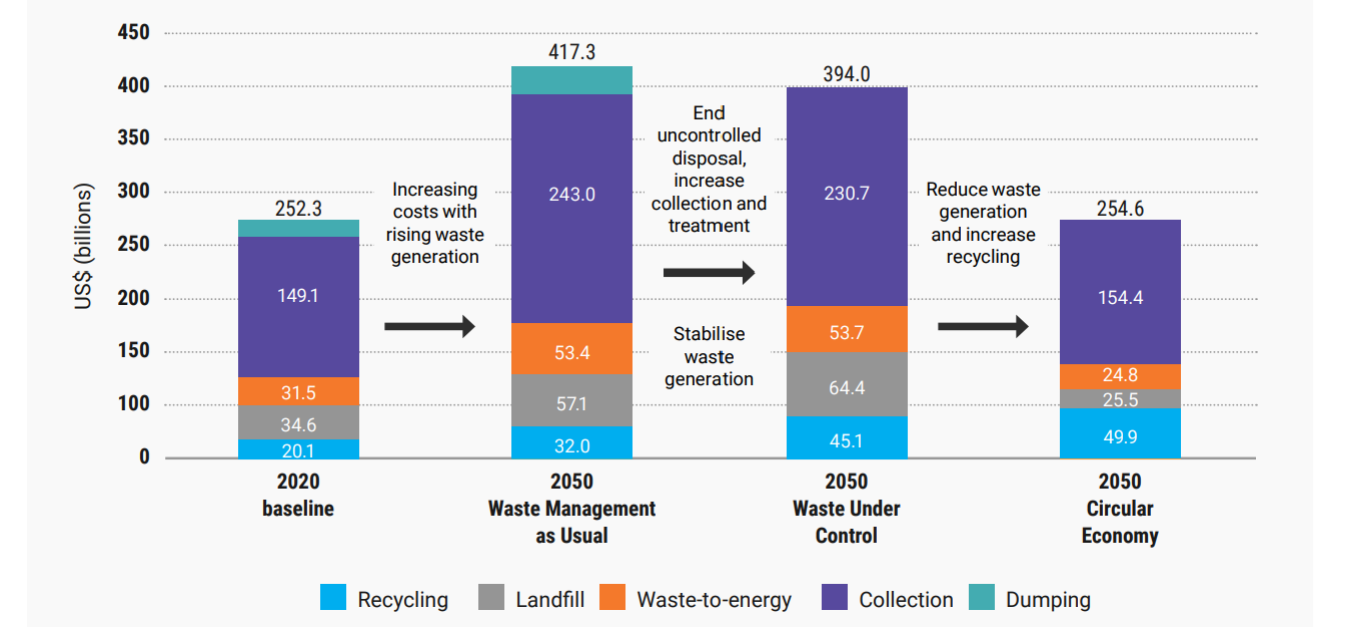
The above figure illustrates the global direct costs of municipal solid waste management are expected to increase significantly by 2050 if waste generation continues to rise unchecked. By taking action now to reduce food waste at home, we can contribute to a circular economy and mitigate these costs.
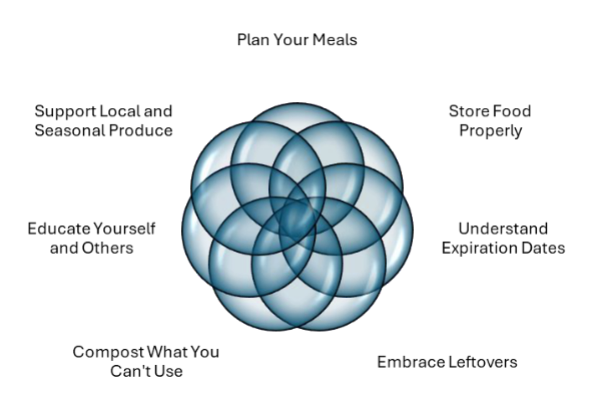
As we strive for a more sustainable future, here are some practical tips to help you develop good habits for food consumption and minimize waste:
1. Plan Your Meals
- Why It Matters: Planning your meals for the week ensures that you buy only what you need, reducing the risk of food going unused.
- How to Do It: Create a shopping list based on your meal plan and stick to it. Consider portion sizes to avoid over-purchasing.
2. Store Food Properly
- Why It Matters: Proper storage can extend the life of your food, reducing the chances of spoilage.
- How to Do It: Learn the best ways to store fruits, vegetables, and leftovers. For example, keep potatoes in a cool, dark place and store herbs in a glass of water in the fridge.
3. Understand Expiration Dates
- Why It Matters: Misinterpreting "best before" and "use by" dates can lead to unnecessary waste.
- How to Do It: "Best before" dates indicate quality, not safety. Use your senses to determine if food is still good past this date. For "use by" dates, adhere to them strictly, especially for perishable items.
4. Embrace Leftovers
- Why It Matters: Leftovers are a great way to reduce food waste and save time on cooking.
- How to Do It: Get creative with your leftovers. Turn yesterday's dinner into today's lunch or freeze portions for a quick meal later.
5. Compost What You Can't Use
- Why It Matters: Composting turns food scraps into nutrient-rich soil, reducing the amount of waste sent to landfills.
- How to Do It: Set up a compost bin in your backyard or use a kitchen compost container for smaller spaces. Compost fruit and vegetable peels, coffee grounds, eggshells, and more.
6. Educate Yourself and Others
- Why It Matters: Awareness is the first step towards change. The more you know, the better you can prevent waste.
- How to Do It: Stay informed about sustainable practices and share what you learn with family and friends. Encourage others to adopt similar habits.
7. Support Local and Seasonal Produce
- Why It Matters: Buying local and seasonal produce reduces the carbon footprint associated with transportation and storage.
- How to Do It: Visit farmers' markets or subscribe to a local produce delivery service. Plan meals around what's in season to enjoy fresher, tastier food.
Reducing food waste is a collective responsibility that starts at home. By implementing these practical tips, you can make a significant impact on your household's sustainability. Let's commit to making mindful food choices that benefit not only our planet but also our communities.
Without urgent action, the environmental and social costs of waste generation will continue to escalate, threatening our efforts to combat climate change and protect biodiversity.
References
- FAO (2011). Global Food Losses and Food Waste – Extent, Causes, and Prevention. Food and Agriculture Organization.
- Parfitt, J., Barthel, M., & Macnaughton, S. (2010). Food waste within food supply chains: Quantification and potential for change to 2050. Philosophical Transactions of the Royal Society B: Biological Sciences, 365(1554), 3065–3081.
- Aschemann-Witzel, J., De Hooge, I., Amani, P., Bech-Larsen, T., & Oostindjer, M. (2015). Consumer-Related Food Waste: Causes and Potential for Action. Sustainability, 7(6), 6457-6477.
- IPCC (2019). Climate Change and Land: An IPCC Special Report on Climate Change, Desertification, Land Degradation, Sustainable Land Management, Food Security, and Greenhouse Gas Fluxes in Terrestrial Ecosystems.
- UNEP (2024). International Day of Zero Waste. United Nations Environment Programme.
Related Content
Scope 4 Emissions: The Concept of Avoided Emissions
In the global effort to combat climate change, the focus has traditionally been on reducing greenhouse gas (GHG) emissions from corporate operations and value chains.
Read Article →DPSIR Framework for Sustainable Aquaculture in the Red Sea Region (KSA): A Climate Adaptation and Mitigation Perspective
This paper is a contribution to the 6th International Workshop on Applied Research for Enhancing the Aquaculture Sector in Saudi Arabia.
Read Article →Understanding the DPSIR, DPCER, DPSWR, and DPSER Frameworks in analyzing the interactions between human activities and the environment
Environmental challenges such as climate change, pollution, and biodiversity loss require comprehensive frameworks for analysis and management.
Read Article →